7 min read
Brominated vegetable oil ban: why the FDA finally acted
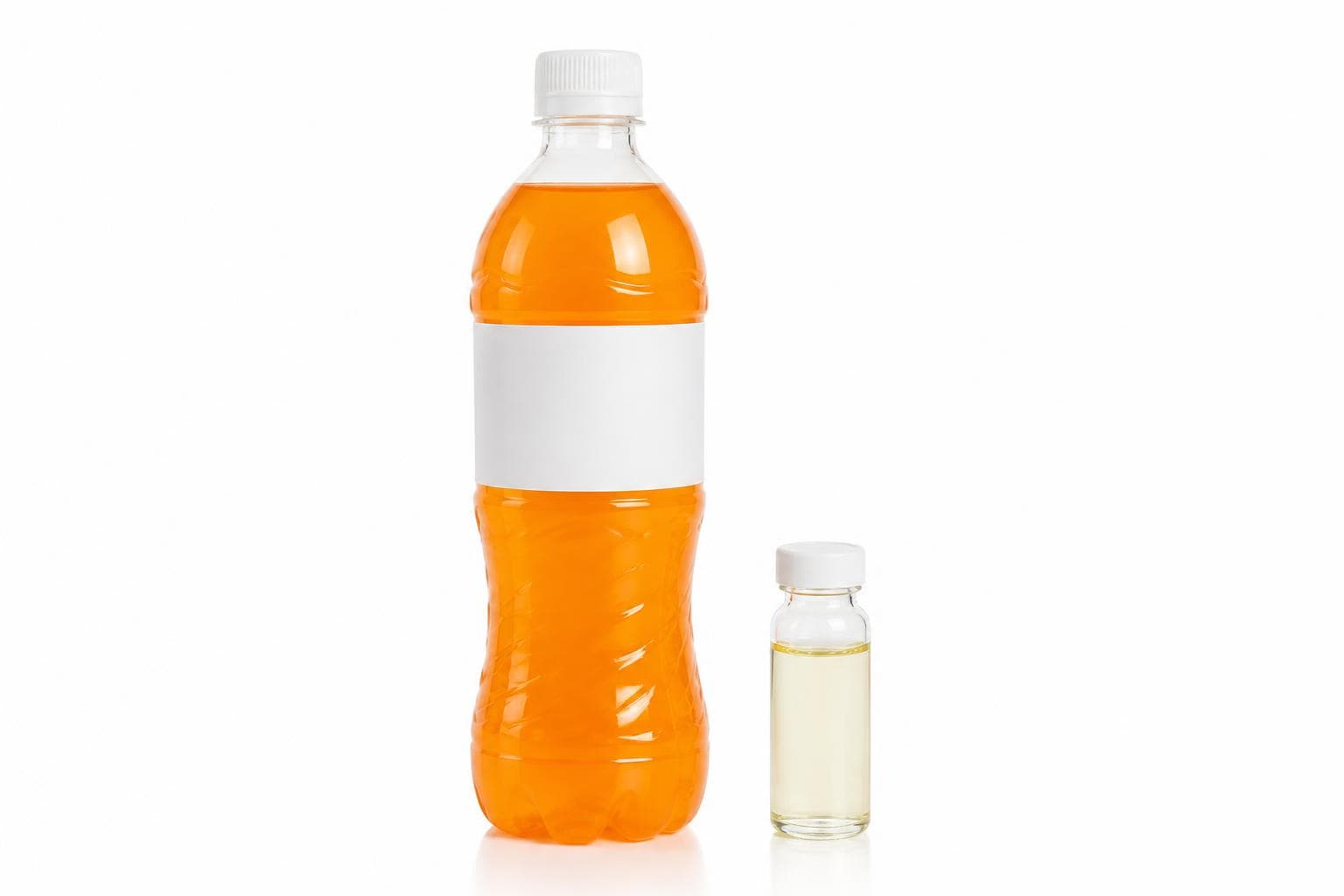
BVO was in US sodas for decades before the FDA banned it in 2024. Here is why it was removed, what the science showed, and how to check your drinks.
Osana Blog
Practical, research-aware guides on additives, processing, nutrition labels, and the everyday products families actually buy.
BVO was in US sodas for decades before the FDA banned it in 2024. Here is why it was removed, what the science showed, and how to check your drinks.
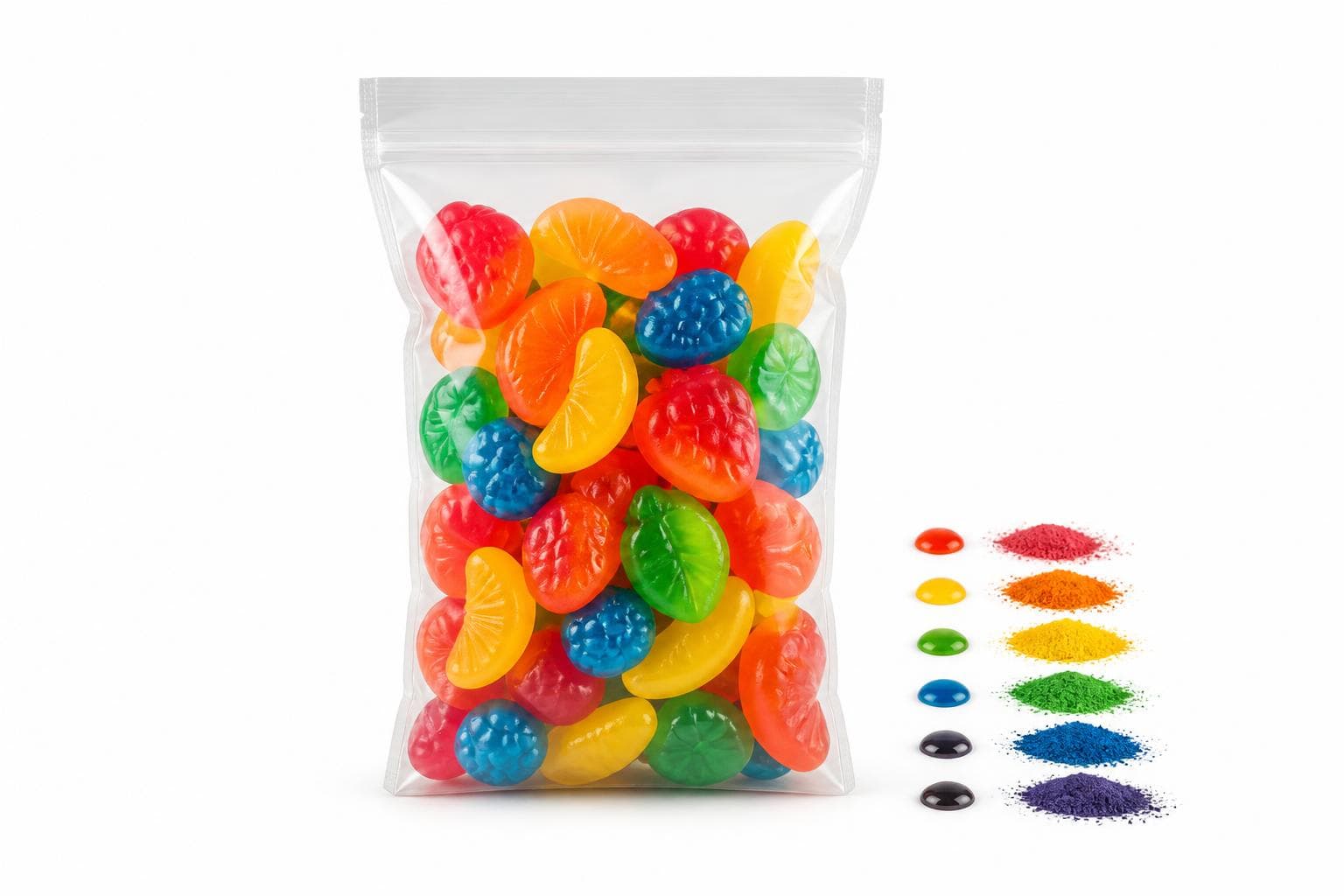
From fruit snacks to cheese crackers, artificial food dyes are everywhere in kids snacks. Here is what the research says and how to spot them on labels.
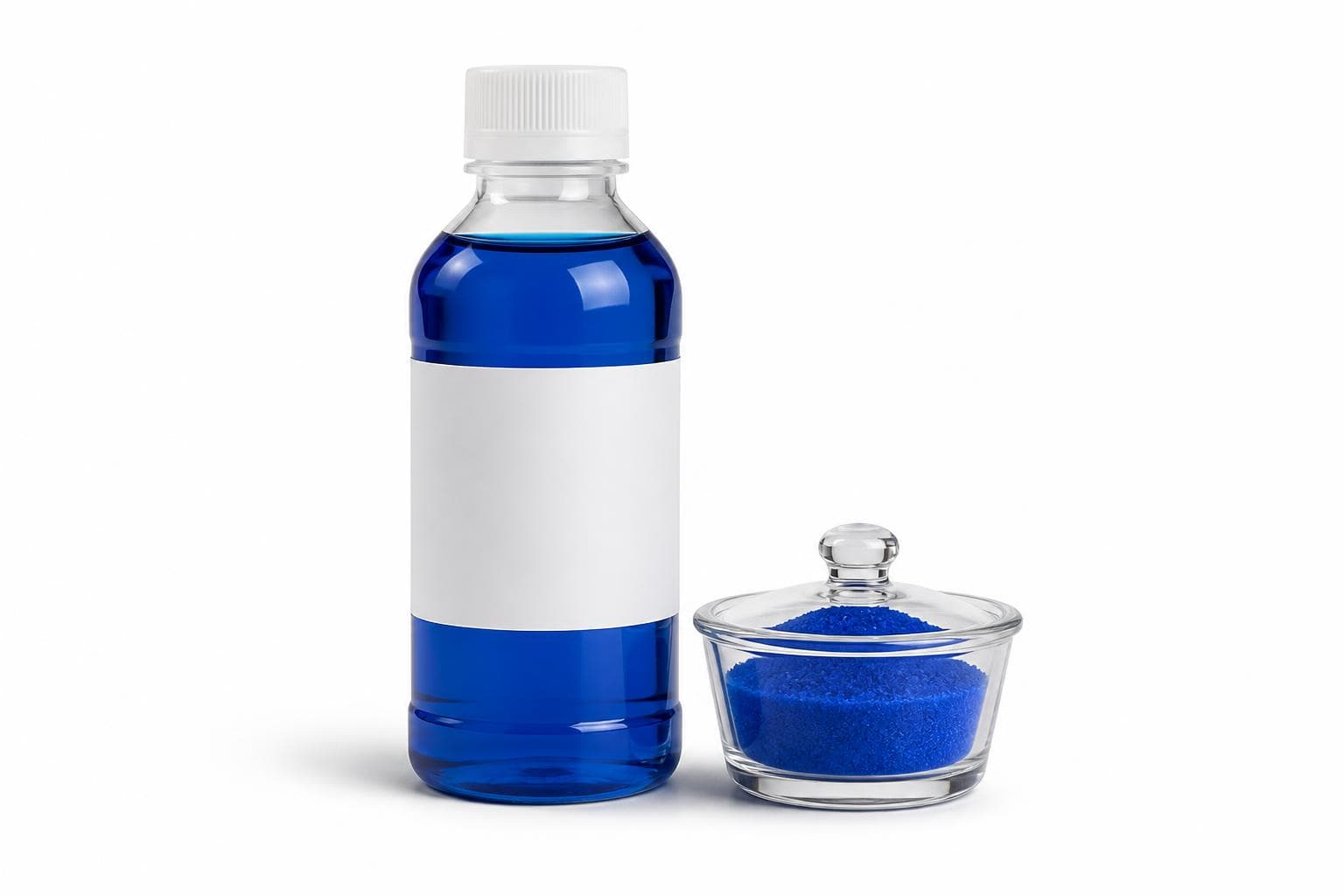
Blue 1 is one of the most common artificial dyes in US candy, cereals, and drinks. Here is what the research says and how to spot it on labels.
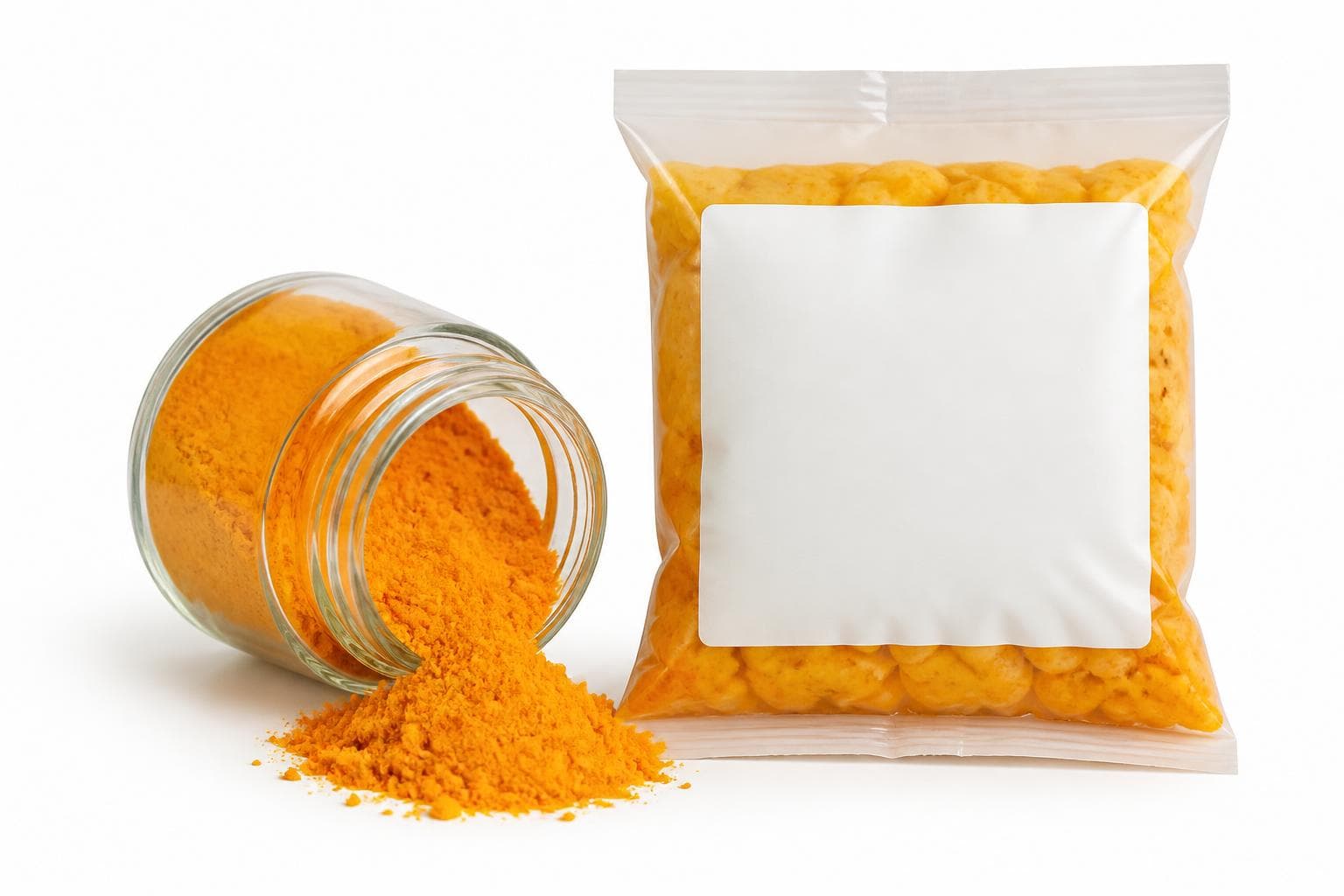
Yellow 6 is one of the most common artificial colors in US snacks and drinks. Here is what the research says and how to spot it on labels.
Yellow 5 (tartrazine) shows up in hundreds of US snacks, drinks, and cereals. Here is what the science says and how to spot it on labels.
The FDA officially revoked authorization for red dye 3 in January 2025. Here is what that means for your grocery cart, which foods still contain it, and how to spot it on a label.
Red dye 40 shows up in hundreds of US grocery products, from candy to cereal. Here is what the science says and how to spot it on labels.
Propylparaben is a preservative banned in EU foods but still found in US baked goods and packaged snacks. Here is what the research says and how to spot it.
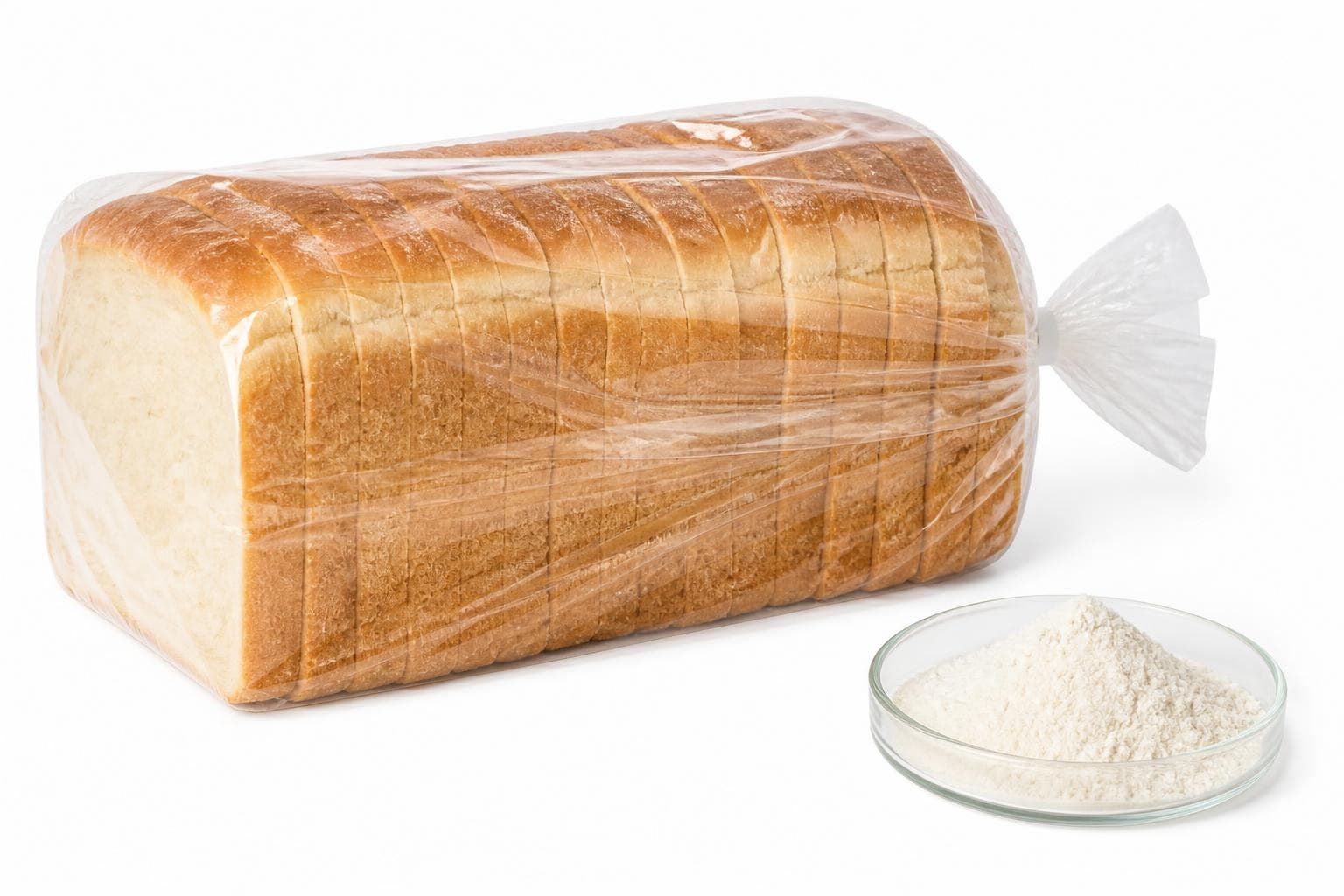
Azodicarbonamide is a dough conditioner found in many US breads but banned in Europe. Here is what it is, why it matters, and how to spot it on labels.